
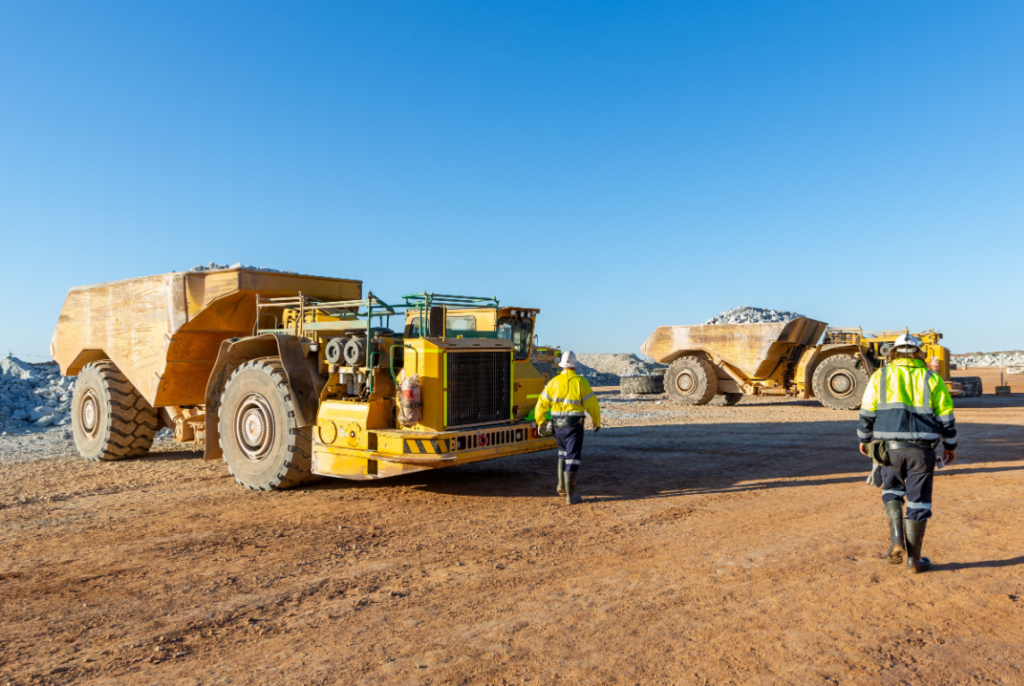
Australian mining operates in one of the most high-risk industrial environments in the country. Employing more than 300,000 Australians in remote and hazardous locations, the sector depends on precision, coordination and constant situational awareness to operate safely.
Explosives handling, heavy fleet movement, underground operations and underground and open-cut operations create an extremely narrow margin for error across daily shifts.
In this environment, impairment caused by drugs or alcohol is not a minor concern but a direct and immediate threat to life. For modern operators, mining safety Australia begins with ensuring every worker is genuinely fit for duty before stepping onto site and commencing high-risk tasks under strict procedural controls.
Beyond the Law: The Moral Case for Testing
While regulatory compliance is essential, drug and alcohol testing in mining goes far beyond meeting legal obligations. As highlighted by AusHealth, testing should never be viewed as punitive or designed to catch people out after mistakes occur. Instead, it is a preventative safety measure that protects workers, contractors and surrounding communities before incidents happen. When incidents occur on mine sites, the consequences extend well beyond operational disruption or production delays. Families, colleagues and regional communities often carry the long-term emotional, social and economic impacts of serious injuries or fatalities that could have been avoided through earlier intervention.
Shifting from a blame-based mindset to a care-based safety culture reframes testing as a support mechanism rather than a disciplinary tool used after harm occurs. It signals that employers are committed to Zero Harm, recognising impairment risks early and intervening before accidents occur. This approach strengthens trust between workers and management, reinforces shared responsibility for safety outcomes and aligns with contemporary expectations of ethical leadership across the Australian resources sector.
The FIFO Factor: Mental Health and Substance Use
The structure of modern mining work presents unique challenges that increase the risk of substance misuse. Fly-in, fly-out arrangements, extended rosters, compressed work cycles and prolonged isolation from family and social support networks place significant psychological strain on workers. Research indicates that approximately 20% of the mining workforce experiences psychological or social difficulties linked directly to these conditions and work patterns.
These pressures are reflected in substance use data. Alarmingly, 45.7% of males working in coal mining report risky or hazardous drinking behaviours during off-shift periods. Fatigue, loneliness, disrupted sleep and cumulative stress can compound decision-making impairment, especially when combined with alcohol or drugs. A well-designed FIFO drug and alcohol policy acknowledges these realities and integrates testing with education, mental health support, fatigue management and early intervention strategies rather than relying solely on disciplinary responses.
Regulatory Framework: Navigating State and National Laws
Drug and alcohol testing at mine sites is firmly embedded within Australia’s work health and safety framework. At a national level, the Work Health and Safety (WHS) Act 2011 imposes a duty of care on employers to take all reasonably practicable steps to eliminate or minimise risks, including impairment-related hazards. Failure to manage fitness for work can expose Site Senior Executives to significant legal, financial and reputational consequences under enforcement action.
State-based regulations reinforce this obligation. In Western Australia, the WHS (Mines) Regulations 2022 explicitly require mine operators to manage hazards related to alcohol and other drugs. Queensland’s Coal Mining Safety and Health Act 1999 mandates that workers must be fit for work at all times, while New South Wales’ WHS (Mines and Petroleum Sites)Regulation 2014 places similar expectations on duty holders. Together, these frameworks make drug testing mine sites a non-negotiable element of compliance across all major mining jurisdictions.
Implementation: Best Practices for 2026
As mining operations evolve, so too must impairment management strategies. Best practice for 2026 points toward a blended approach combining random and targeted testing. Random testing acts as a strong deterrent, while targeted testing following incidents or reasonable cause ensures risks are addressed promptly, fairly and consistently. This balance supports operational integrity without creating a culture of surveillance or mistrust on site.
Education and rehabilitation are equally critical. Integrating testing programs with Employee Assistance Programs (EAP) allows workers who return non-negative results to access confidential counselling and treatment pathways. This reinforces the principle that fitness for work mining programs exist to keep people safe, supported and productive rather than to terminate employment unnecessarily or create fear-based compliance.
Technology also plays a defining role, particularly in remote environments where laboratory access is limited or delayed. Using high-quality, certified testing equipment ensures results are accurate, defensible and compliant with Australian Standards. Providers such as CMM Technology and Sober Check supply industrial-grade breathalysers and oral fluid (saliva) drug testing devices designed specifically for harsh site conditions, supporting reliable on-site decision-making. Mining operators can explore these solutions and learn more about CMM and Sober Check’s end-to-end safety services.
Conclusion: Testing as the Bedrock of Site Integrity
Drug and alcohol testing is not simply a regulatory checkbox for Australian mining; it is a foundational element of site integrity, workforce protection and operational resilience. While compliance with legislation is essential, a mature safety culture recognises testing as part of a broader commitment to Zero Harm. By addressing FIFO pressures, supporting mental health and implementing robust, fair testing protocols, operators actively safeguard lives, reputations and long-term productivity.
As expectations rise toward 2026, Site Senior Executives and Health and Safety Representatives should proactively review their drug and alcohol policies, testing methodologies, governance processes and equipment standards using contemporary guidance. Investing in reliable technology and professional support strengthens fitness-for-work systems and demonstrates genuine care for people.
Mining organisations seeking guidance or upgraded testing infrastructure are encouraged to connect with CMM Technology or with Sober Check through their contact channels to ensure their sites remain safe, compliant, resilient and future-ready across all operational contexts nationwide, reinforcing industry-wide accountability.

